June 2, 2026
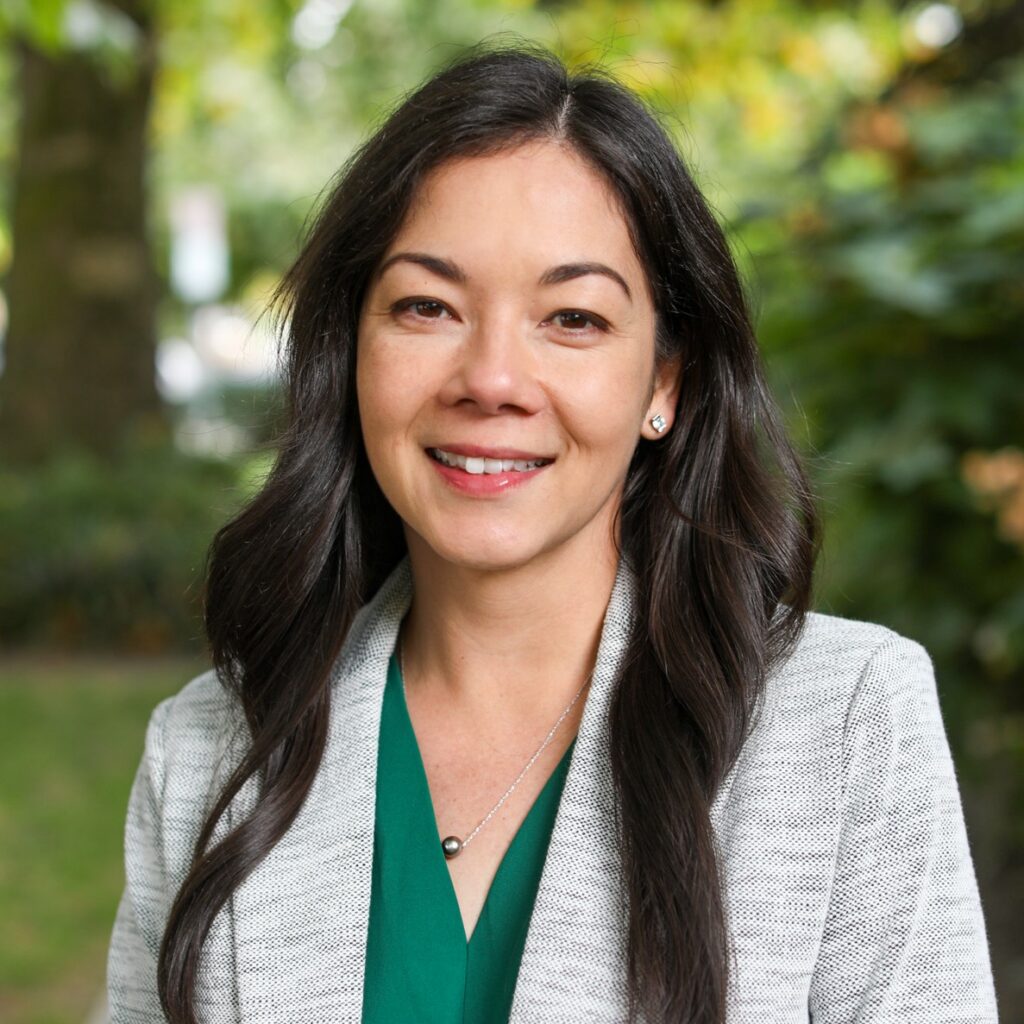
For Asian American, Native Hawaiian, and Pacific Islander Heritage Month, Bayview Chief Financial Officer, Marla Mitchell, shares a personal reflection on identity, culture, and connection. Her story explores the experiences, values, and perspectives that have shaped her and reminds us of the importance of celebrating the diverse voices within our community. Read Marla’s story below:
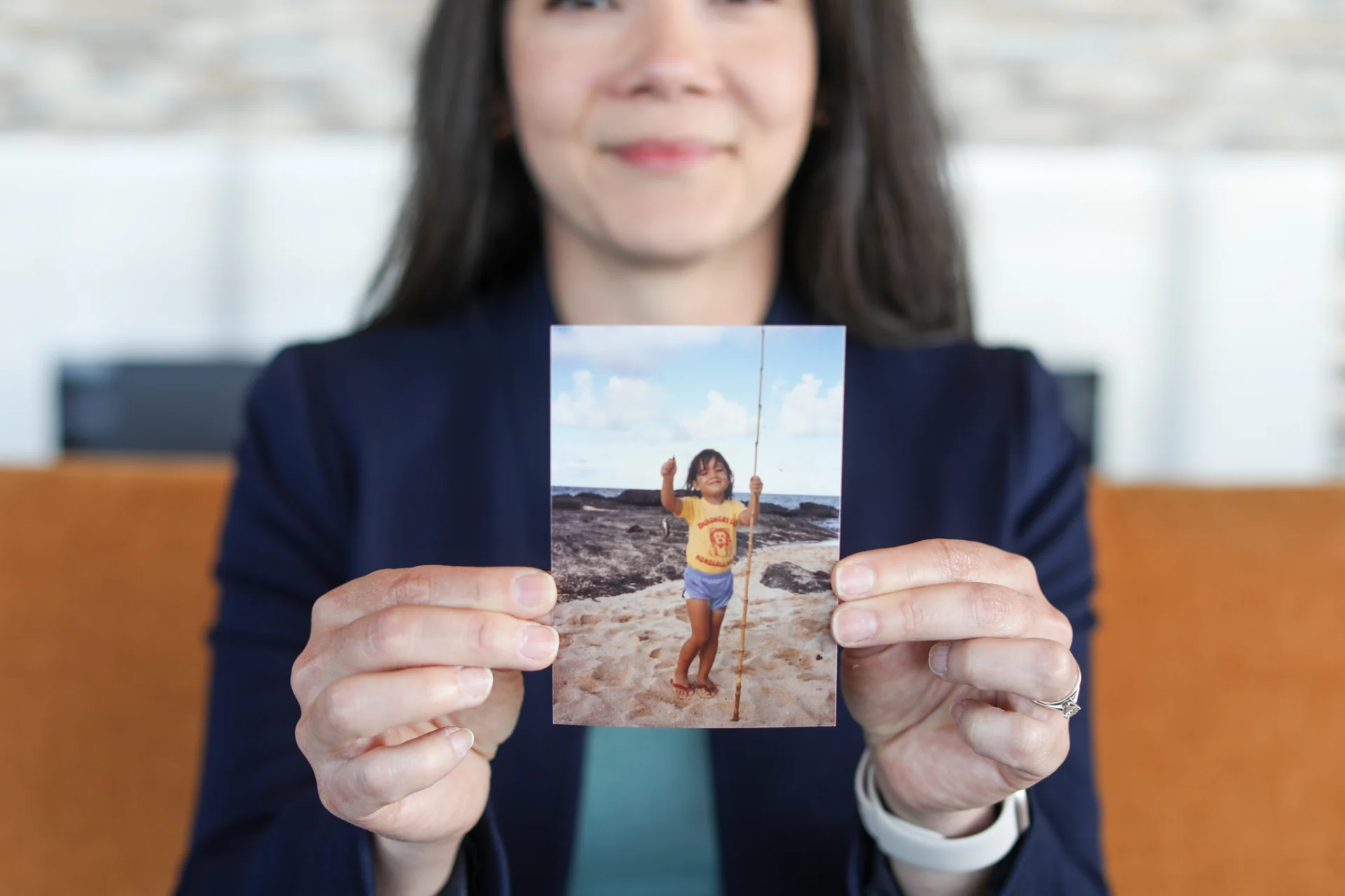
Growing up in Hawai’i, one of the first things you learn about a person is where they hail from – not just which island, but which countries, which villages, which clans. It’s one of my favorite things about Hawaiian culture. Nobody dances around it. “What are you?” isn’t rude there, it’s an invitation.
My answer: I’m Hapa. Half Japanese and Okinawan on my mother’s side, and Caucasian on my father’s side. Hapa is the Hawaiian word for “half,” and in Hawai’i, people have a gift for spotting it and celebrating it. Growing up, that felt like something special, not a complication.
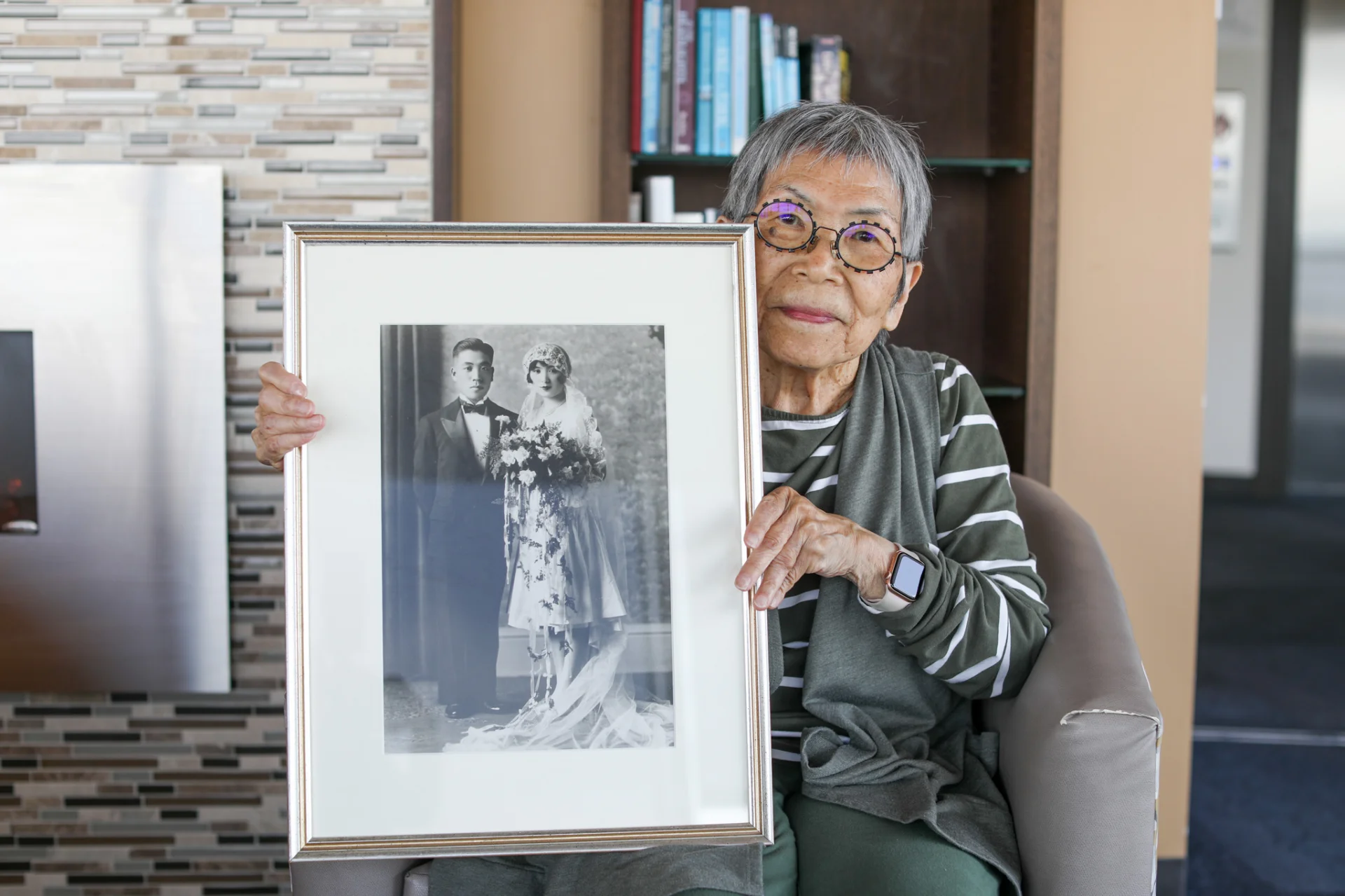
My Japanese and Okinawan great-grandparents made their way to Hawai’i to work in the sugar cane plantations – a journey that planted roots deep enough to hold our whole family. That makes me Yonsei, fourth generation. I’ve really come to love what that word carries: the weight of sacrifice, the courage to venture far and wide, and the beauty of what culture becomes when it travels.
I remember my grandparents for many things, but what stays with me most is what I think of as their gentle stoicism. They were strong, proud people, yet they moved through the world with the softest hearts. I think about that often and still try to reach for that quiet strength.
In my family, we had a saying: “Okinawan strong”. It was a nod to what seemed like superhuman toughness – the kind that might surprise you, and you definitely didn’t want to arm wrestle. And looking back, that physical strength went hand in hand with something deeper: a resilience that carried them through an ocean passage, plantation work, and everything that followed.
Outside of Hawai’i, I notice people sometimes want to ask about my background but aren’t quite sure if they should. I understand the hesitation; we’ve all learned to tread carefully around these conversations. But for me, being asked is an act of curiosity, not intrusion. It’s how I was raised to connect.
One thing I haven’t always loved is paperwork. The form that asks you to choose one box. I am exactly half; there is no rounding in either direction, and “other” has always felt like an erasure. If I check it, I feel a little invisible.
But then I look at my son, who carries a quarter of that Asian heritage, and I see it in his beautiful eyes and I feel nothing but full. Culture doesn’t dilute. It just finds new shapes.
I’m fascinated by Japanese and Okinawan culture in every form: its art, its discipline, its social fabric, and the fact that Okinawa is one of the world’s Blue Zones, where people live with extraordinary longevity. I don’t think that’s a coincidence. I think it’s the result of a people who have long understood how to take care of one another.
I’m grateful to be in Seattle now, in a city diverse enough that I see more faces around the table that look like mine, and I don’t have to explain myself quite so often. I’m grateful, too, for a month that invites all of us to tell these stories out loud.
My great-grandparents crossed an ocean and worked on a plantation. My mother carried the culture to me, and I’m carrying it forward – Okinawan strong.







Copyright © 2026 Bayview Community All rights reserved.